
01 About the Commission
Civilian gun violence claims an estimated 600 lives every day around the world, with countless more suffering debilitating injuries that greatly reduce their quality of life. The burden of gun-related death and injury reveals a health crisis that has not yet gained widespread recognition: guns are a risk factor and danger to human health and well-being around the world.
In response to the need for effective solutions and an evidence-led, global, and renewed understanding of the relationship between guns and health, The Lancet Commission on Global Gun Violence and Health was launched in September 2024. In their Comment published in the world-leading medical journal The Lancet, the Commission’s leaders announced the aim of combining the best of research and practice to translate research findings, ensure participation of civil society, and catalyze evidence-informed action at local, national, regional, and international levels.
Chaired by Dr. Adnan Hyder, Senior Associate Dean for Research & Innovation, and Professor of Global Health at the Milken Institute School of Public Health, The George Washington University, USA and Co-Chaired by Dr. Lorena Barberia, Associate Professor of Political Science, University of São Paulo, Brazil, the Commission brings together international experts representing various regions and disciplines including public health, economics, law, medicine, history, political science, and the non-governmental sector.
02 Our Work
The Commission will produce a report that will be independently peer reviewed prior to publication in The Lancet, and intends to publish additional papers that complement the report, host seminars and workshops, and foster intentional and meaningful public engagement with academics, policymakers and civil society. The Commission’s work will encourage mutual learning and amplify the impact of global gun violence on the health and welfare of millions of people.
The Commission will produce a report that will be independently peer reviewed prior to publication in The Lancet, and intends to publish additional papers that complement the report, host seminars and workshops, and foster intentional and meaningful public engagement with academics, policymakers and civil society. The Commission’s work will encourage mutual learning and amplify the impact of global gun violence on the health and welfare of millions of people.
03 Team
The experts who make up the Commission include:
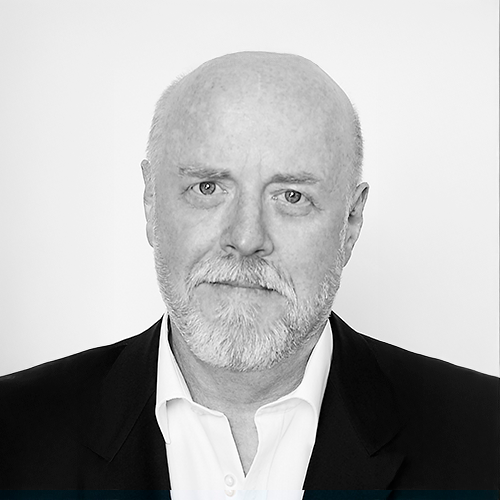
Philip Alpers is adjunct associate professor and founding director of GunPolicy.org, a global nonpartisan project at the University of Sydney School of Public Health which compares armed violence, firearm legislation and injury prevention across 250 jurisdictions worldwide. A former senior fellow at the Harvard Injury Control Research Center, Alpers is a widely published policy analyst in the effects of armed violence and firearm regulation on public health and human rights. Accredited to the United Nations small arms Programme of Action since 2001, he participates in global firearm-related processes as a member of government delegations. Currently he designs and installs arms and ammunition control systems for state agencies across Africa and the Pacific.
Philip Alpers
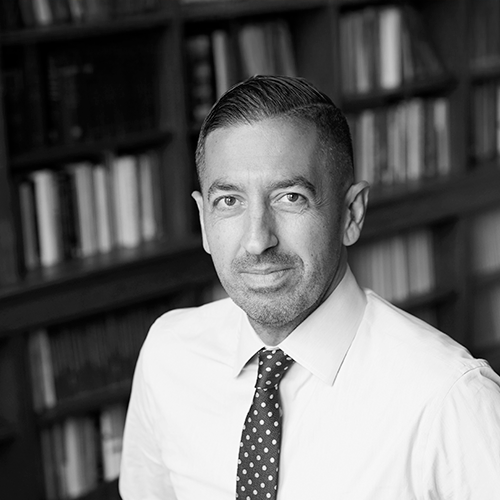
Sandro Galea is Dean and Robert A. Knox Professor at the Boston University School of Public Health. He has been named an epidemiology innovator by Time, a top voice in healthcare by LinkedIn, and is one of the most cited social scientists in the world. His writing and work are featured regularly in national and global public media. A native of Malta, he has served as a field physician for Doctors Without Borders and has held academic positions at Columbia University, University of Michigan, and the New York Academy of Medicine. In 2025, Galea will become the inaugural Margaret C Ryan Dean of the School of Public Health and the Eugene S and Constance Kahn Distinguished Professor in Public Health at Washington University in St. Louis.
Sandro Galea
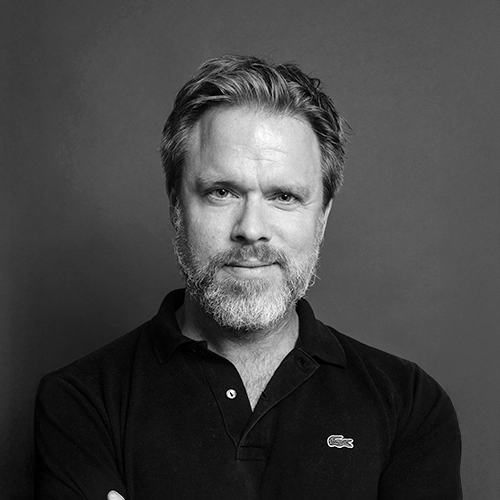
Dr. Robert Muggah is the co-founder of the Igarape Institute, a Brazil-based think and venture tank focused on citizen, digital and climate security. He is also the co-founder of SecDev Group, a cyber-security firm, and Bioverse, a forest intelligence company. Dr. Muggah specializes in geopolitics, security, cities, digital transformation, and climate action and advises national governments, tech companies and international organizations. A frequent TED speaker and fellow at Princeton and Bosch Academy, he has written 8 books and over 100 peer-review articles.
Dr. Robert Muggah
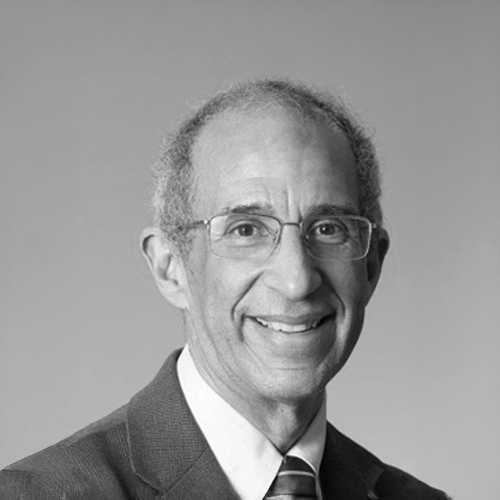
Professor David Bishai is Clinical Professor in Public Health and Director of the School of Public Health at the University of Hong Kong. Before joining HKU, Professor Bishai served as Professor at Johns Hopkins Bloomberg School of Public Health for 27 years and as a local health officer at the Maryland Department of Health in 2021. His research focuses on the performance and financing of global public health activities, primary healthcare, vaccines, and health disparities. He authored two books and over 260 peer-reviewed publications. His courses on systems thinking and health economics reached over forty thousand students. As President of the International Health Economics Association, he helped establish a global mentoring network for new researchers. He received his BA from Harvard in Philosophy and Physics, MPH from University of California at Los Angeles, MD from University of California at San Diego, and PhD from Wharton Business School, University of Pennsylvania.
Professor David Bishai
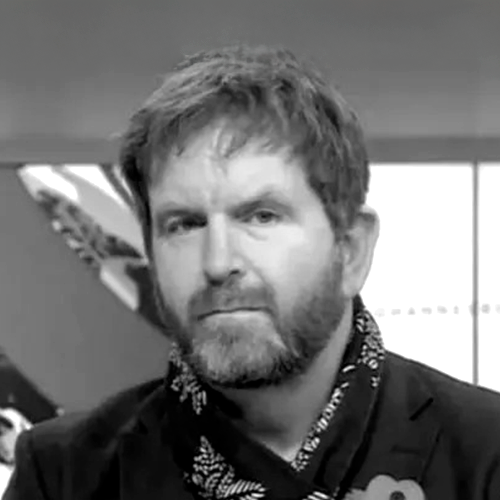
Dr. Iain Overton is the Executive Director of Action on Armed Violence (AOAV) and an investigative journalist. Overton has reported on gun violence in over two dozen conflict zones and his book Gun Baby Gun explores the global consequences of gun ownership. He is an expert member on the Forum of the Arms Trade and was awarded a PhD for his war reporting. He lives in London.
Dr. Iain Overton
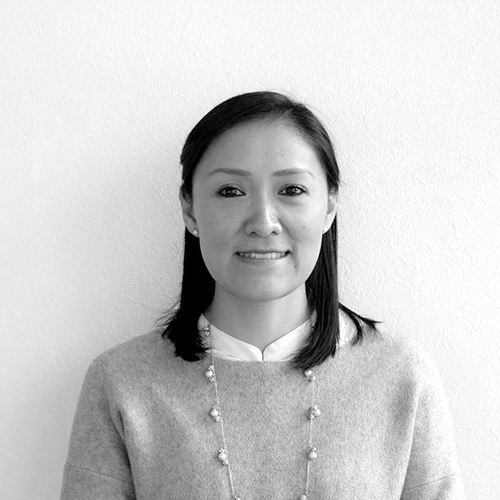
Sandra is Distinguished Professor at the School of Social Science and Government in Tecnológico de Monterrey. Her research focuses on the logic of criminal violence in Mexico and its impact on political behavior. Throughout her academic career, she has collaborated closely with diverse civil society organizations in Mexico, with which she has developed different policy-oriented projects related to violence, human rights, and militarization. Sandra has a Ph.D. and a master’s degree in Political Science from Duke University.
Sandra Ley
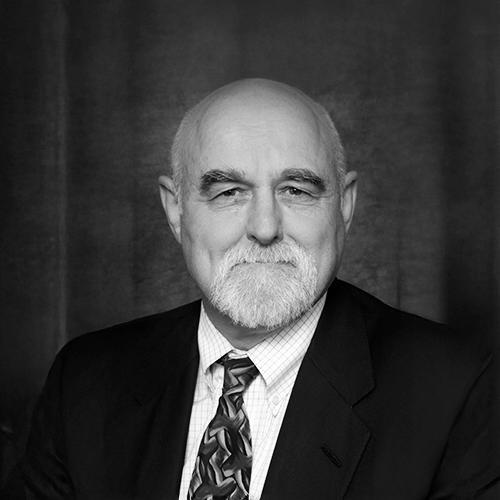
Stephen Hargarten
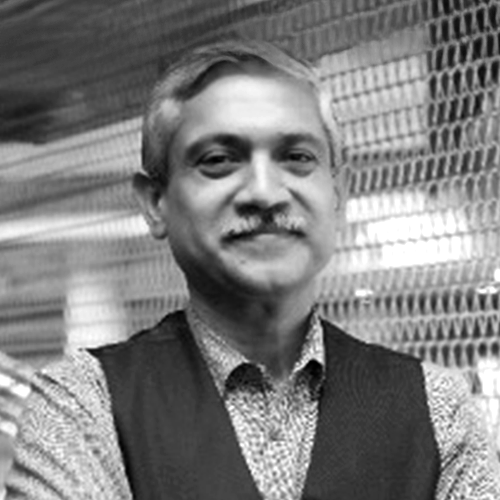
Dr. Adnan Hyder is Senior Associate Dean for Research and Innovation and Professor of Global Health at the Milken Institute School of Public Health, George Washington University (GWU), USA. For over 25 years, Dr. Hyder has worked to improve public health in the US and countries across Africa, Asia, Latin America, and the Middle East. He has conducted studies focusing on defining epidemiological burden, understanding risk factors, exploring interventions, estimating economic impact, and appreciating the socio-cultural correlates of non-communicable diseases and injuries and risk factors worldwide. Currently, he serves as the founding Director of the Center on Commercial Determinants of Health at GWU. He has co-authored over 400 scientific peer-reviewed papers and numerous world reports with organizations like the World Bank, World Health Organization, and UNICEF. Dr. Hyder received his M.D. from the Aga Khan University, Pakistan, and MPH and Ph.D. in Public Health from Johns Hopkins University.
Dr. Adnan Hyder
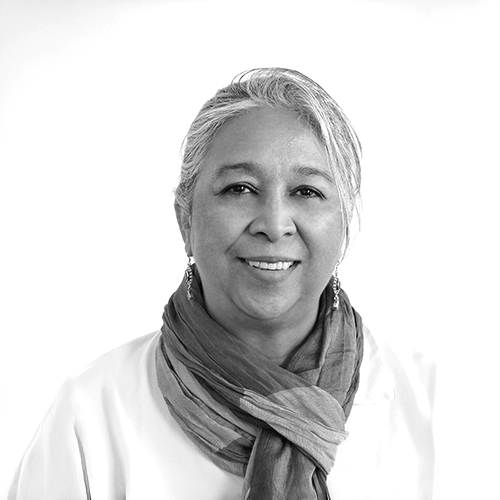
Naeemah Abrahams is a Chief Specialist Scientist at the Gender & Health Research Unit of the South African Medical Research Council. She has a honory appointment as a Professor in the Division of Social and Behavioral Sciences, School of Public Health and Family Medicine, University of Cape Town. She has worked in the area of gender-based violence research for more nearly three decades. Her research focus is on the intersections between gender-based violence and health, measurement of violence against women and children, and health impact of violence against women including the interface with HIV and sexual and reproductive health. Her focus area is femicide research and she has led the national femicide studies for more than two decades in South Africa and has worked on femicide globally. She has been a Technical Advisor on numerous WHO working groups on violence against women measurement and estimation.
Naeemah Abrahams
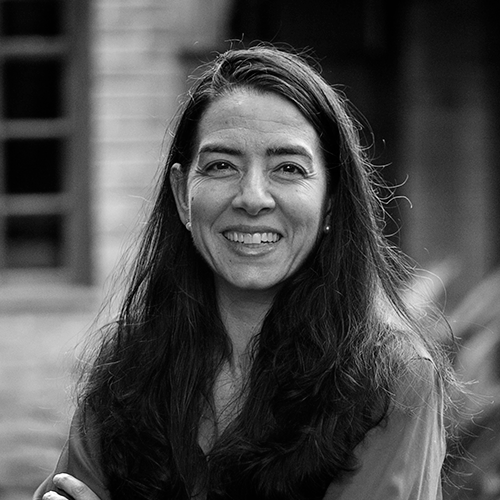
Lorena G. Barberia is an associate professor in the Department of Political Science at the University of São Paulo (USP). Her recent articles have been published in Science, Vaccine, Social Science Quarterly, Lancet, BMJ Global Health, Global Health Research and Policy, Nature Medicine, and Health Policy and Planning journals. In 2020, she was awarded a prize for her contributions to science at USP (Mulheres na Ciência- Destaques 2020). She is the scientific coordinator of the Solidarity Research Network Public Policy and Society (Rede de Pesquisa Solidária em Políticas Públicas e Sociedade). This research initiative seeks to improve the standard, calibrate the focus and improve the quality of federal, state, and municipal government health policies in Brazil.
Lorena G. Barberia
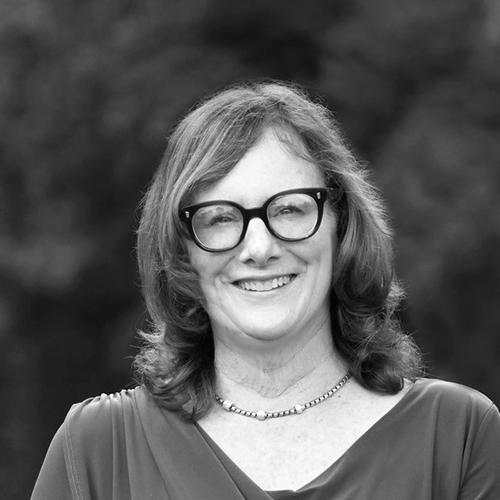
Jennifer Tucker is a Professor of History at Wesleyan University and the Founding Director of Wesleyan’s Center for the Study of Guns and Society, established in 2022. Tucker's research and teaching examine the history of firearms as commercial products; innovations in firearms engineering, design, and ballistics lethality; and comparative international laws.
Jennifer Tucker
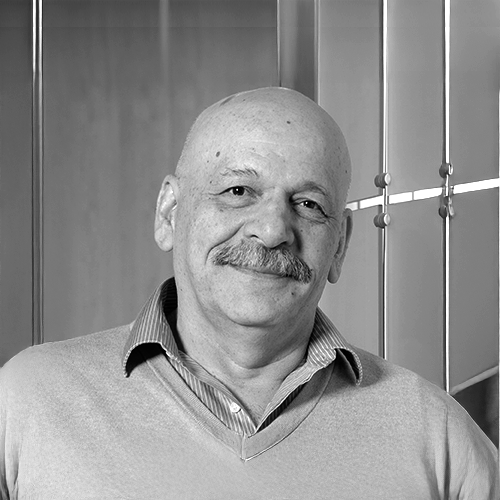
Dr. Mohsen Naghavi is a Professor of Health Metrics Sciences and Director of Subnational Burden of Disease Estimation at the Institute for Health Metrics and Evaluation (IHME) at the University of Washington. He leads IHME’s work on disease burden and causes of death, including projects in Brazil, Russia, Iran, China, and Ethiopia. Dr. Naghavi is a Global Burden of Disease team leader and member of the GBD Scientific Council, which helps guide the research of the GBD collaboration. Before this work, Dr. Naghavi was a Research Fellow at the Harvard Initiative for Global Health and a senior expert on primary health care, disease, injury, and causes of death in Iran. Dr. Naghavi has spent most of his career at the Ministry of Health and Medical Education in Iran where he headed the Applied Research Center for Health. Dr. Naghavi received his MPH, PhD in Epidemiology, and MD from Tehran University.
Dr. Mohsen Naghavi
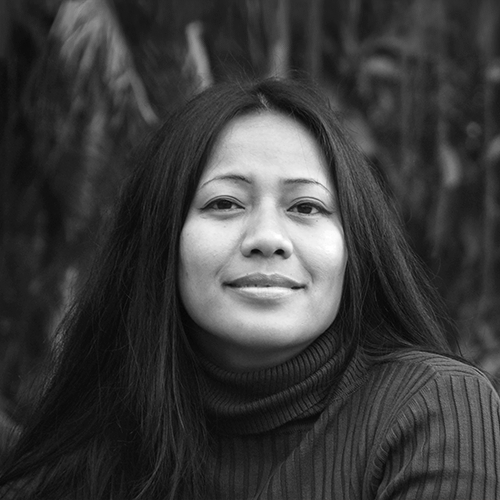
Binalakshmi Nepram is a published author, Founder-Director of Manipur Women Gun Survivors Network, President of the Global Alliance of Indigenous Peoples, Gender Justice and Peace, and Fellow at Harvard University Asia Centre. Bina was with the Carr Centre for Human Rights at Harvard Kennedy School and a Scholar in Residence at Connecticut College. She helped found the Northeast India Women Initiative for Peace and the Control Arms Foundation of India, spearheading work on small arms research for over two decades. Nepram worked with the U.N. Development Programme in India, the National Mission for Empowerment of Women and the European Union. Nepram is a recipient of the Sean McBride Peace Prize, Anna Politskovskaya Award, and CNN IBN Real Heroes Award. Action on Armed Violence named her one of "100 most important people in the world working on armed violence reduction." Nepram is on the board of the International Peace Bureau.
Binalakshmi Nepram
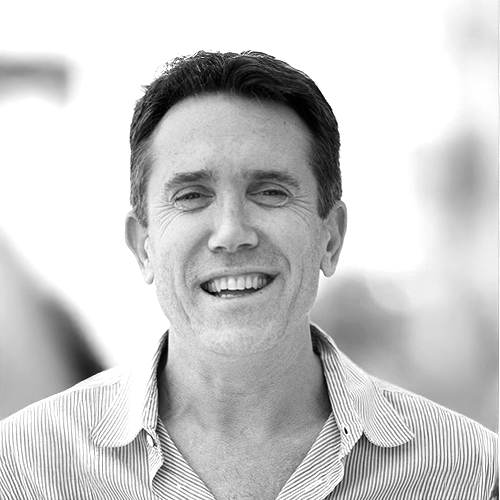
Dean Peacock works to advance health and human rights in South Africa, across Africa, and globally. He directs the Mobilising Men for Feminist Peace initiative at the Women’s International League for Peace and Freedom. He is the co-founder and former director of the South African NGO Sonke Gender Justice, co-founder and former co-chair of the MenEngage Alliance, and co-founder of the global Community of Practice on men, militarism, and peace. Dean is an Honorary Senior Lecturer at the University of Cape Town’s School of Public Health, a Scholar in Residence at the Violence, Inequality and Power Lab at the University of San Diego, an expert advisor to the Global Taskforce on Halving Global Violence, and an Ashoka Fellow. He has published widely in news outlets, books, and academic journals, including most recently on the gender exploitative marketing of guns and arms and on strategies to hold the gun industry accountable.
Dean Peacock
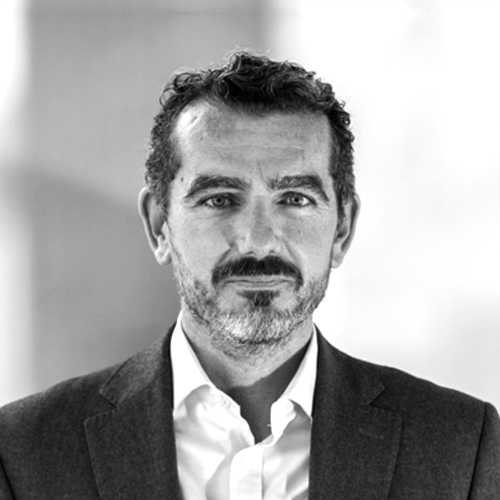
Mark Downes is the Director of the Small Arms Survey. The Survey manages a number of global databases on Global Violent Deaths, and Global Firearm Holdings and Unplanned Explosions at Munition Sites, and has worked extensively on the between armed violence and public health, most recently through its partnership with health and law enforcement institutions in the Caribbean. The Survey promotes inclusive, gender-sensitive policymaking for small arms control at global, regional, and national levels. Mark has extensive experience in armed violence, security sector reform, and development. He has previously served as Deputy Director at the Geneva Centre for Security Sector Governance (DCAF), as a member of the OECD's Development Assistance Committee (DAC) secretariat and with the Law Enforcement Department of the OSCE Mission to the Federal Republic of Yugoslavia. Mark holds a PhD in International Relations from the University of Limerick, Ireland.
Mark Downes
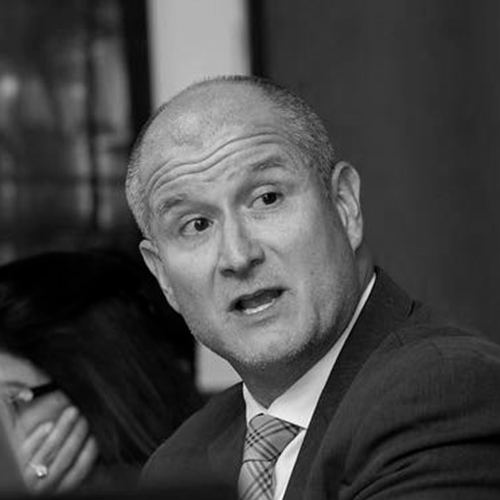
Arturo J. Carrillo is a Clinical Professor of Law and the Faculty Director of the Civil and Human Rights Law Clinic at George Washington University (GW) Law School in Washington, D.C. He is the Human Rights Lead at Global Action on Firearm Violence (GAGV), a non-profit civil society organization, where he has pioneered research, litigation, and advocacy strategies aimed at promoting firearms industry accountability for its role in enabling endemic firearm violence in the United States and abroad. Professor Carrillo, a dual national of Colombia and the United States, is an international lawyer, advocate, and scholar dedicated to advancing the practical application of the United Nations Guiding Principles on Business & Human Rights (UNGP) to companies that manufacture, distribute, and sell firearms. He is a graduate of Princeton University (B.A.), GW Law School (J.D.), and Columbia Law School (LL.M).
Arturo J. Carrillo
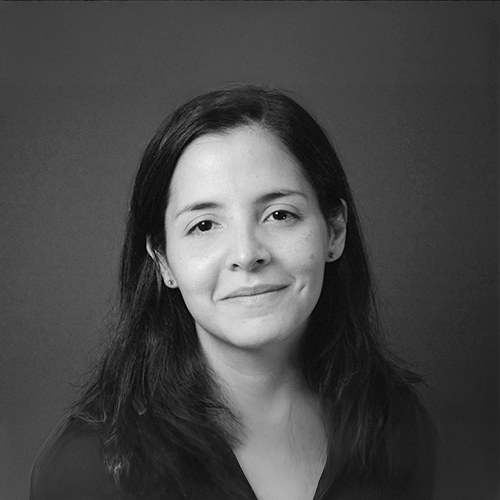
Natalia Pires de Vasconcelos is a lawyer and social scientist with extensive experience in legal-empirical research. Her work examines how legal institutions can impact people’s health and well-being. She holds a Ph.D. in Law and B.A. in Social Sciences from the University of São Paulo and an L.L.M. from Yale Law School. She is also a founding member of LAUT - Center for the Analysis of Liberty and Authoritarianism, a think tank specializing in socio-legal research about the impact of authoritarian practices on democracy and welfare in Brazil. She was an assistant professor in Law at Insper, São Paulo, between 2019 and 2022, and is currently a Global Health and Rights Project Affiliated Researcher at the Petrie-Flom Center for Health Law Policy, Biotechnology, and Bioethics at Harvard Law School. She is also pursuing a second doctoral degree in sociology at the University of Georgia.
Natalia Pires
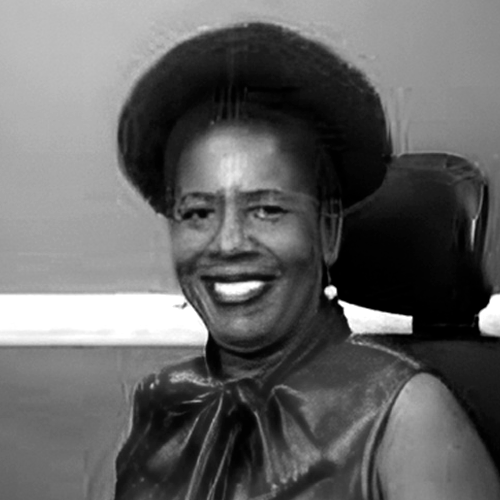
Folade Mutota is Executive Director and one of the three founders of the Women's Institute for Alternative Development (WINAD) based in Trinidad and Tobago. A women's rights advocate and leader with a track record of success in advancing and protecting the rights of women and girls, and under-served communities, Mutota also coordinates the Caribbean Coalition for Development and the Reduction of Armed Violence (CDRAV), a coalition of NGOs and academics that work to reduce and prevent gun violence in the Caribbean. She led the CDRAV campaign to bolster CARICOM's role in the negotiations of the Arms Trade Treaty. An international gender and arms control expert, Folade's unique perspective is influenced by her Caribbean reality and grassroots philosophy which analyzes gender dynamics in a way that considers the specificity of place, social locations, and identity.
Folade Mutota
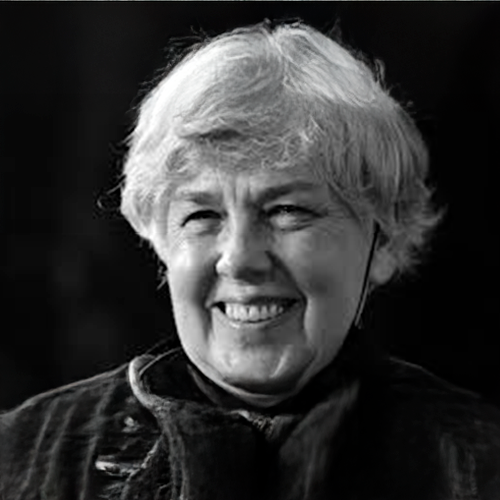
Adèle Kirsten has been a non-violent, social justice activist for over thirty years in South Africa. She is currently affiliated with the Medical Research Council of South Africa (SAMRC), working with Commissioner Naeemah Abrahams on the Lancet Commission on Global Gun Violence and Health. She was a founding member of Gun Free South Africa (GFSA) and became its Director in March 1995 (until 2002, returning in 2013 and retiring in 2025). She was responsible for helping build the organisation into a national NGO, which together with the Gun Control Alliance, played an important role in advocating for stricter gun laws in South Africa. In November 2000, the Firearms Control Act was passed. Adèle was named the South African Woman of the Year in 2000 under the media and communications category.
In 2008, her book on the history of GFSA A Nation without Guns? The Story of Gun Free South Africa was published by UKZN Press. In the field of small arms control as a researcher and analyst: she was appointed to several advisory boards, notably the UK Department for International Development Armed Violence and Poverty Initiative as well as the OECD Advisory panel on armed violence reduction. She was also a research associate with the Institute of Security Studies and has published several papers on strategies to reduce gun violence including an evaluation of firearms amnesties in South Africa.
From 2008 to 2010 she was Director of the Centre for the Study of Violence and Reconciliation. In 2016 she was appointed to the Marikana Panel of Experts (one of 6 civil society members) by the President to provide input into and guide the review of the use of less-lethal weapons by the Public Order Police (POP) units in South Africa.
Adèle Kirsten
04 Working Groups
Injury Burden Due to Global Gun Violence
Cost and Economics of Global Gun Violence and Health
Politics, Power & Political Economy of Global Gun Violence
Social, Economic and Commercial Determinants of Global Gun Violence and Health
Legal Determinants & Laws on Global Gun Violence
Interventions & Effectiveness for Global Gun Violence and Health
Community Action on and Case Studies of Global Gun Violence and Health
- All Posts
- Media
- Oped

The Lancet Commission on Global Gun Violence and Health invites you to join us in tackling one of the most pressing challenges of our time. The Commission is a movement of researchers and experts working together to answer critical questions, find solutions, and protect people from the devastating toll and tragedy of gun violence around the world. The Lancet Commission on Global Gun Violence and Health is seeking funding to further its work focused on conducting global gun violence and health research, gathering evidence, and engaging the public. With your partnership, we can successfully amplify this long-overlooked issue.

The Lancet Commission on Global Gun Violence and Health invites you to join us in tackling one of the most pressing challenges of our time. The Commission is a movement of researchers and experts working together to answer critical questions, find solutions, and protect people from the devastating toll and tragedy of gun violence around the world. The Lancet Commission on Global Gun Violence and Health is seeking funding to further its work focused on conducting global gun violence and health research, gathering evidence, and engaging the public. With your partnership, we can successfully amplify this long-overlooked issue.
06 Contact Us
The Commission Secretariat is based at the Milken Institute School of Public Health, The George Washington University, an independent 501(c)(3) non-profit research university based in Washington, D.C. For more information, please use this form.